
The aviation industry has long captivated the imagination of humankind, serving as a testament to our relentless pursuit of innovation and adventure. From the Wright brothers’ first powered Flight Legends in 1903 to the latest advancements in commercial aviation, the evolution of flight has been marked by remarkable milestones and unexpected challenges. This report delves into the dynamic flight paths that define the aviation landscape and the surprises that accompany this ever-evolving field.
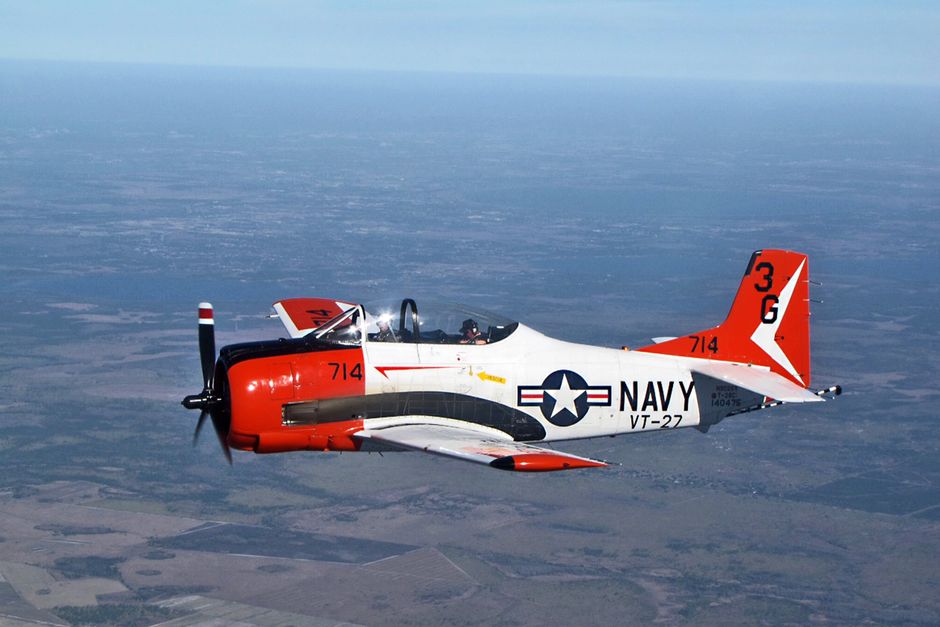
The Evolution of Flight Paths
Flight paths, the routes taken by aircraft during their journeys, have undergone significant transformations over the decades. Early aviation was characterized by rudimentary navigation methods, relying heavily on visual cues and basic instruments. However, as technology advanced, so did the complexity and efficiency of flight paths.
The introduction of radar and GPS technology revolutionized air travel, allowing for more precise navigation and the ability to avoid adverse weather conditions. Modern aircraft are equipped with sophisticated avionics systems that enable pilots to receive real-time data about their surroundings, including air traffic, weather patterns, and geographical features. This technological evolution has not only improved safety but has also optimized flight paths, reducing fuel consumption and travel time.
Dynamic Flight Paths: A New Era of Aviation
Today, flight paths are more dynamic than ever. The concept of dynamic flight paths refers to the ability to alter a flight’s route in response to changing conditions. This adaptability is crucial in a world where weather patterns can shift rapidly and air traffic can become congested.
Airlines now utilize advanced flight management systems that analyze real-time data to make informed decisions about flight paths. For instance, if a storm is detected along a planned route, the system can automatically suggest an alternative path that avoids turbulent weather. This capability not only enhances passenger comfort but also contributes to fuel efficiency and overall operational effectiveness.
Moreover, the rise of sustainable aviation has prompted airlines to consider environmentally friendly flight paths. By optimizing routes to minimize carbon emissions, airlines are taking significant steps toward reducing their environmental impact. This shift is not merely a trend but a necessity in a world increasingly focused on sustainability and climate change.
Surprises in Aviation: Navigating the Unexpected
Despite the advancements in technology and the optimization of flight paths, the aviation industry is not without its surprises. Unpredictable events can disrupt even the most meticulously planned journeys. Weather phenomena, technical malfunctions, and geopolitical tensions can all serve as catalysts for unexpected changes in flight paths.
One notable example is the impact of volcanic eruptions on air travel. The eruption of Eyjafjallajökull in Iceland in 2010 caused widespread disruption across Europe, leading to the cancellation of thousands of flights. The ash cloud created by the eruption posed a significant threat to aircraft engines, forcing airlines to reroute flights or ground their fleets entirely. This incident highlighted the vulnerability of flight paths to natural events and the need for airlines to have robust contingency plans in place.
Similarly, geopolitical tensions can lead to sudden changes in flight paths. The closure of airspace over conflict zones or the imposition of travel restrictions can necessitate significant detours, resulting in longer travel times and increased operational costs. Airlines must remain agile and responsive to these challenges, often requiring real-time communication and collaboration with air traffic control agencies and government authorities.
The Role of Technology in Managing Surprises
In the face of these surprises, technology plays a crucial role in helping airlines navigate the complexities of modern aviation. Advanced predictive analytics and machine learning algorithms are increasingly being employed to assess risks and develop contingency plans. By analyzing historical data and current trends, airlines can better anticipate potential disruptions and make informed decisions about flight paths.
Furthermore, the implementation of automation in air traffic management has the potential to enhance efficiency and safety. Automated systems can process vast amounts of data in real-time, allowing for quicker responses to changing conditions. This technological integration not only streamlines operations but also reduces the likelihood of human error, which can be a significant factor in aviation incidents.
The Human Element: Pilots and Crew
While technology undoubtedly plays a vital role in shaping flight paths and managing surprises, the human element remains essential in aviation. Pilots and crew members are trained to handle unexpected situations with skill and composure. Their experience and judgment are invaluable assets, particularly during critical moments when quick decision-making is necessary.
Moreover, the importance of effective communication cannot be overstated. Pilots must maintain open lines of communication with air traffic control, other crew members, and passengers. This transparency fosters a culture of safety and preparedness, ensuring that everyone on board is informed and ready to respond to any challenges that may arise.
The Future of Flight Paths and Surprises
Looking ahead, the future of flight paths and the surprises that accompany them will likely be shaped by ongoing advancements in technology and changing societal expectations. The integration of artificial intelligence and automation into aviation operations will continue to evolve, further enhancing the efficiency and safety of flight paths.
Additionally, as the global demand for air travel continues to rise, the need for sustainable practices will become increasingly paramount. Airlines will be challenged to balance operational efficiency with environmental responsibility, necessitating innovative approaches to flight path optimization.
In conclusion, the world of aviation is a dynamic and ever-changing landscape, characterized by evolving flight paths and unexpected surprises. As technology continues to advance and the industry adapts to new challenges, the future of flight promises to be as exciting as its storied past. Embracing innovation, prioritizing sustainability, and valuing the human element will be key to navigating the skies of tomorrow.